


Deciphering Egg & Meat Labels

The number of options on supermarket shelves can be overwhelming, and it's hard to know where to start when deciding what to buy. This guide is intended to help you decipher what all the certifications & marketing terms actually mean so that you can choose the best available option within your means.
Before moving on to the actual guide, it's important to know that the rankings below were created based on our personal set of values. Each certification prioritizes just one sliver of an animals life. It's very difficult to rank which sliver of an animal's life is the most important. The more slivers of the pie you see certified on the label, the better. There are far more certifications than what you see in the graphic below. These are just the most commonly seen certifications in the U.S.

We encourage you to use what we've written below as a starting point, but you'll need to form your own opinion about which option on the supermarket shelf aligns best with your personal set of values.
We believe that animal products are an important part of a nutrient dense diet and it's important to find products within your means. It can be helpful to think of animal products as Olympians. The product you're purchasing might be placing last at the Olympics, but they still made it to the Olympics! Bottom rung eggs or minimally processed conventionally raised meat products are still far more nutrient dense choices than any processed food in the center aisles!
Eggs

NOTE: You often hear that “free range” or “pasture raised” eggs are best. While the idea behind these terms is appealing, there’s no single legal definition or standard certification that applies to all uses of them. Instead, these concepts are defined within specific certification programs, such as ROC and certain humane certification labels.
Regenerative Organic Certified™Eggs
Certified Regenerative Organic™ (ROC) eggs are hands down the most nutrient dense eggs you’ll find on supermarket shelves. This third party certification combines USDA Organic standards, animal welfare protections, and regenerative farming practices under a single, easy-to-spot logo so you don’t have to memorize a dozen labels to know what you’re getting. Remember the “three slivers of the animal pie”? ROC covers them all: diet, environment, and welfare.
Here's what to look for on the egg carton:

At an ROC farm, laying hens aren’t just given “access” to the outdoors -they spend meaningful time on high quality pasture. That’s where they forage for leaves, seeds, worms, insects, and even the occasional tiny critter. Alongside this varied diet, they get supplemental USDA Organic grains. Combined with fresh air and plenty of sunlight, this diverse lifestyle produces eggs that are richer in omega 3s, vitamins, and antioxidants than standard supermarket eggs.
NOTE:
Regenerative certifications (even ROC) don’t require hens to be exclusively forage based or "100% forage-based". When most people hear the term “regenerative”, they picture hens roaming endlessly in lush pastures. Though this is a wonderful aspiration, it's just not feasible for several reasons:
Pasture quality fluctuates seasonally. Grass, clover, bugs, and other forage are plentiful in spring, summer, and fall, but in the winter pasture becomes sparse or dormant. Especially in regions with cold winters or very arid conditions, relying entirely on pasture is just plain unrealistic for keeping hens healthy year-round.
Density and space constraints. To rely purely on pasture, each hen would need a huge area of high quality forage. We're talking several hundred square feet per bird. Most farms simply can’t sustain that at scale.
Pasture alone usually can’t meet the full nutritional needs of most flocks. A laying hen is basically a tiny egg factory. Producing one egg per day requires significant time, energy, protein, amino acids, fats, vitamins, and minerals. Pasture alone just isn't dense enough in calories (unless you can circumvent constraint No.2) to support the egg production of most flocks.
Regenerative Eggs
Third party regenerative certified eggs are another smart step up on the nutrient ladder. While they might not have the exact full stack of USDA Organic + ROC standards, these certifications still prioritize pasture access, diverse forage, and animal welfare - the same factors that research shows make eggs more nutrient-dense than conventional, cage free, or even standard organic eggs.
Look for the logo on the carton to know you’re getting eggs from hens that spend real time outdoors, pecking through greens, seeds, insects, and worms, alongside a high-quality supplemental feed:

The hen's highly varied diet, combined with sunlight and fresh air, naturally boosts the levels of omega 3s, fat soluble vitamins, and antioxidants in the eggs. In other words, these certifications aren’t just about doing right by the hens - They’re about giving you eggs that actually pack more nutrition into every bite.
Organic Eggs
When you see “Organic” on an egg carton, it mainly means two things: the hens were fed certified USDA Organic feed (which is pesticide free), and they weren’t given antibiotics.
USDA Organic does require outdoor access for laying hens, but on many large industrial organic operations - like the ones supplying most name brand organic eggs - that outdoor access is likely very limited. Further, most organic laying hens eat almost entirely a grain based diet, which isn't ideal for the health of the hens as chickens are omnivores. It might surprise you, but mainstream organic eggs often aren’t that much more nutrient dense than conventional eggs because of the heavy reliance on grains. The biggest consistent advantage of choosing USDA Organic is that it helps you avoid pesticide exposure.

Ideally look for eggs that are both USDA Organic and Certified Humane (more slivers of the animal life pie), but if you're not seeing any cartons on the shelf that have both certifications, we'd recommend prioritizing USDA Organic over certified humane. Though the quality of life an animal lives is certainly very important, purely from a nutritional standpoint, USDA Organic eggs are at least pesticide free.
Humanely Raised Eggs
These certifications are designed to ensure that hens are treated ethically - with adequate space, reduced stress, and humane handling - but they do not regulate what ultimately matters most for the nutritional quality of the egg - the hen’s diet. Humane certifications protect animal wellbeing (an important value!), but they are not a reliable proxy for nutrient density.
Certified Humane standards require meaningful outdoor access, so that hens can forage for bugs, seeds, grasses, and other natural foods, but the amount of forage consumed depends on pasture quality, climate, and flock density - all highly variable from farm to farm. Most of the hens calories still come from supplemental grain feed that's likely GMO (rich in pesticides). A certified humane farm can choose to feed hens organic or non-GMO feed, but it's not required in order to qualify as certified humane.
Here's what to look for on the egg carton:
 |
Cage Free Eggs
Cage-free eggs are often marketed as a “better” choice than conventional eggs, but the reality is that the step up in animal welfare is minimal. In the U.S., “cage free” simply means that hens aren’t confined to battery cages. Most hens still live their entire lives inside large windowless barns as there’s no federal requirement for outdoor access. USDA inspections cover egg handling and grading, but housing claims like “cage free” are entirely self reported by the farm. For that reason, we’d put more trust in the claim if it’s paired with a third party certified humane logo.

At a minimum, look for this logo (left) on the egg carton - or any of the humanely raised or regenerative logos from the section above. Cage free barns do allow hens to move more freely than caged hens, but they can still be very crowded. Additionally, like conventional hens, cage free hens are typically fed a vegetarian grain based diet that's often GMO. The bottom line: Without access to wild forage and sunlight, cage free eggs generally offer little nutritional advantage over conventional eggs, despite the slightly increased freedom.
Conventional Eggs
Conventional eggs come from hens raised in highly industrialized systems designed to maximize efficiency, consistency, and cost control. Those priorities limit dietary diversity and environmental exposure, and those constraints are reflected in the nutritional profile of the egg. As a result, conventional eggs are typically the least nutrient dense option on supermarket shelves.
These hens live entirely indoors - often in crowded battery cages - and are routinely given antibiotics to prevent disease in close quarters. Their diet is a tightly formulated, fortified GMO ration designed for high egg output at the lowest possible cost. While this diet meets basic nutritional requirements for the bird, it lacks the forage, insects, and plant diversity that naturally increase levels of omega-3 fatty acids, fat-soluble vitamins (A and E), and carotenoids in eggs. Not to mention the fact that these gals never feel the warmth of the sun on their back. Eggs produced in conventional systems consistently contain lower levels of these nutrients compared to eggs from hens with meaningful outdoor pasture access and more varied diets.
That said, if conventional eggs are all your budget allows, they’re still far better than skipping eggs altogether! As with all eggs, be sure to store them between 35-40°F and serve them cooked to reduce the risk of food borne illness.
Is it Safe to Eat Raw (Runny) Egg Yolk?
Most of the nutritional “powerhouse” of an egg lives in the yolk - vitamins A, D, E, and K, choline, DHA, cholesterol, and beneficial fats. The whites are mostly protein. Some of these nutrients in the yolk are sensitive to heat, and certain antioxidants and delicate fats can decline with prolonged high temperature cooking. Lightly cooked or runny yolks tend to preserve more of these compounds, but even fully cooked yolks still provide substantial nutrition.
"Is it safe to eat raw (runny) egg yolk?" Runny egg yolks aren’t risk free, so this becomes a personal risk-versus-benefit decision. The chance of an egg containing Salmonella in the U.S. is relatively low compared to other foods (like fresh produce), but not zero. If you want to maximize nutrients while reducing risk, choose high quality eggs and use gentle cooking methods like poaching, soft-boiling, or over easy low heat. Pasteurized eggs (warm water baths designed to kill bacteria without cooking the egg) are another option if you prefer runny yolks with an added safety margin.
Are Orange Egg Yolks Better?
Believe it or not, yolk color is an unreliable proxy for egg quality or nutrient density. Just like how farmed salmon meat can be turned a specific hue of pink by manipulating their feed, egg yolk color can be manipulated without actually improving the quality of the hens diet. Producers can add marigold extract, paprika, alfalfa meal, or synthetic carotenoids (like canthaxanthin) to create a deep orange yolk in a fully indoor, grain fed system, without improving overall micronutrient density.
So how can you tell if an egg is truly high quality? Unfortunately there's no at-home visual or kitchen test that reliably tells you the nutrient density of an egg. But there are smart ways to stack the odds heavily in your favor. Aside from sending your eggs to a lab for nutrient testing, look for eggs that are fresh because nutrients degrade over time. When cracked into a pan, fresh eggs:

- Have a round yolk that doesn't break easily
- Have thick tall whites
The Egg Grading System
The USDA grades eggs based on appearance and condition. “Quality” in this context refers merely to the appearance of the egg, not the nutritional content. Two eggs with the same USDA grade (AA Organic vs AA Conventional, for example) can have very different nutrient profiles depending on the hen’s diet, outdoor access, and overall farming system.
Grade AA Eggs
Highest quality available to consumers
Shells are clean, unbroken, and normal in shape
The air cell inside is 1/8" or less in depth, nearly uniform in size, and free from large bubbles
Egg whites are clear and firm - they do not spread much when cracked onto a flat surface
Egg yolk may be slightly viewed through the shell - Yolk is round, free from defects, and sit in the center of the egg white when cracked
Grade A Eggs
Still very good quality, most common grade found in supermarkets
Shells are clean, unbroken, and a normal shape
The air cell inside may be up to 3/16" in depth, uniform or slightly off-center
Egg whites are reasonably firm, may spread a bit more than AA when broken but still holds its shape
Egg yolk may be fairly well defined when viewed through the shell - Yolk is reasonably well-centered in the egg white when cracked
Grade B Eggs
Can sometimes be found in supermarkets, but they are most commonly used for liquid, frozen, or dried egg products or in industrial baking
The shell might have slight stains and the shape can be slightly abnormal, but the shell is still unbroken
The air cell can be up to 3/8" in depth, may be irregular or off-center
Egg whites may be weak and watery, spreading out a lot when broken
Egg yolk may be clearly defined when viewed through the shell - It might be slightly off-center or flattened
Poultry

NOTE: You often hear that “pasture raised” poultry is the best choice, but there isn’t a single, official “pasture raised” program. Instead, certain third party certifications - such as ROC, regenerative programs, and select humane certifications - uphold "pasture raised" ideals through independent verification.
Regenerative Organic Certified™ Poultry
Certified Regenerative Organic™ (ROC) poultry is hands-down the most nutrient-dense option you’ll find on supermarket shelves. This third-party certification combines USDA Organic standards, animal welfare protections, and regenerative farming practices under a single, easy-to-spot logo—so you don’t have to memorize a dozen labels to know what you’re getting. Remember the “three slivers of the animal pie”? ROC covers them all: Diet, environment, and welfare.
Here's what to look for on the label:
At an ROC farm, chickens aren’t just given “access” to the outdoors. They spend meaningful time on high quality pasture where they forage for leaves, seeds, worms, insects, and even the occasional mouse or lizard. Alongside this varied diet, they get supplemental USDA Organic grains. Combined with fresh air and plenty of sunlight, this diverse lifestyle produces meat that's far more rich in omega-3s, collagen, vitamins, and antioxidants than standard supermarket chicken.
NOTE:
Regenerative certifications - including ROC - don’t require chickens to be exclusively forage based. Scroll up to the section on ROC eggs to learn more about why this is not always feasible - the same constraints apply to meat birds.
Regenerative Poultry
Can't find ROC chicken in stores near you? Other certified regenerative poultry is still a really really great option. The farming practices that programs like these require are the same factors known to increase nutrient density in animal foods. Each regenerative certification program has its own standards, and some are stricter than others. The gold standard is Regenerative Organic Certified™ (above), but here's a list of other third party verified regenerative logos that you can look for on poultry labels:
Muscle tissue is not nutritionally static. Its fatty acid profile, antioxidant content, and micronutrient levels are influenced by diet diversity, movement, and metabolic health. These birds get pasture access, natural sunlight, and space to forage for insects, grasses, and seeds — not just a uniform grain ration. That variety shows up in their meat, supporting a better balance of healthy fats and higher levels of antioxidants like vitamin E and carotenoids.
Outdoor access and movement also help birds develop stronger muscles and leaner fat distribution, while lower flock densities reduce stress and the need for routine antibiotics. On top of that, regenerative farms build healthy soil, which grows more nutrient-rich plants and insects — all of which become part of the bird’s diet, and in turn, their muscles. In short, the way regenerative meat birds live and eat directly and positively affects the nutritional quality of the meat we put on our plates in the best of ways.
Organic Poultry
Meat birds raised under USDA Organic standards eat certified organic, non-GMO feed, are never given antibiotics, and are guaranteed some outdoor access - though the regulations don’t specify how much time they must spend outside, and the quality of the outdoor space is often minimal. Even with these limitations, organic poultry is still a step up from conventional or cage free birds because synthetic chemical inputs like pesticides and routine antibiotics are prohibited.
That said, organic remains the “runner-up” compared to certified regenerative poultry, where systems are intentionally designed to boost nutrient density. Regenerative birds not only have access to pasture, sunlight, and a diverse forage diet, but they also benefit from improved soil quality, which together consistently produce meat richer in omega-3s, fat-soluble vitamins, and carotenoids - nutrients that USDA Organic standards alone do not guarantee.
Humanely Raised Poultry
Certified Humane poultry is all about animal welfare, not nutrition. Birds with this label generally have more space to move, experience less stress, and are protected from cruelty compared with conventional poultry - which is a meaningful step up.
That said, many certified humane programs doesn’t require organic feed or significant pasture access, so these birds don’t necessarily get the diet diversity, sunlight, and forage that help produce more nutrient-rich meat. In other words, buying certified humane poultry is a win for the animals, but when it comes to nutrient content, chemical exposure, and overall food quality, organic and regenerative poultry usually comes out ahead.

Here's what to look for on the label (left). For readers curious about the strictest welfare programs, Regenerative Organic Certified™ and Animal Welfare Approved by AGW enforce the most comprehensive requirements for both animal well-being and natural living conditions.
Conventional Poultry
Conventional poultry is often the cheapest choice at the supermarket, but that low price comes with ann invisible cost - both for nutrient quality and animal welfare. These birds spend their entire lives indoors in crowded, windowless barns where efficiency, uniformity, and cost control are the top priorities. They’re often bred to grow unnaturally fast and carry oversized breasts, which can make it hard for them to even walk, let alone exercise. Routine antibiotics help keep the flock healthy under these stressful conditions, and their diet is the same fortified GMO grain feed day in and day out — talk about monotony!
With no sunlight, no opportunity to forage, and very limited movement, these birds miss out on the variety of nutrients they would naturally get from pasture, insects, and grasses. The result? Conventional poultry meat tends to be lower in omega-3s, fat-soluble vitamins, and antioxidants compared with birds raised on pasture or in regenerative systems.
That said, if chicken or Turkey is your jam and conventional poultry is all that's within your budget or you have access to, it’s still far better to include it in your diet than to skip meat altogether. You’ll still be getting complete protein and essential nutrients, even if the birds didn’t live the most natural life.
Beef

NOTE: You often hear that “pasture raised” beef is a great choice, but there isn’t a single official program that defines this term. Instead, third party certifications - including regenerative programs, grass fed standards, and some humane certifications - aim to uphold "pasture raised" ideals through independent verification. These programs vary in their requirements for outdoor access, forage based diets, and animal welfare, but they provide a higher level of assurance that the cattle are raised closer to natural, pasture based conditions than conventional systems.
Regenerative Organic Certified™ Beef
Regenerative Organic Certified™ (ROC) is one of the most comprehensive labels you’ll find at the supermarket because it covers all three “slivers of the animal pie”: diet, environment, and animal welfare - not just one piece of the story.
Here's what to look for on the label:
On ROC beef farms, cattle are pasture-raised and managed in ways that improve soil health through practices like rotational grazing, plant diversity, and minimal synthetic inputs. Healthier soil grows more diverse forage, which moves a broader range of nutrients up the food chain. At the same time, USDA Organic rules prohibit GMOs, routine antibiotics, and most synthetic pesticides, while animal welfare standards ensure cattle have meaningful outdoor access and the ability to express natural behaviors.
Those same factors - diverse forage, sunlight, natural movement, and lower chemical burden - are linked to more favorable fatty acid profiles (like higher omega-3s and CLA) and stronger levels of certain vitamins and antioxidants in meat, which is why we consider ROC beef to be the verified top-tier option.
NOTE: Small local farms using regenerative practices (even without certification) may produce comparable beef to a ROC farm, but the ROC logo gives shoppers a trustworthy shortcut when they don’t know the farmer personally.
NOTE:
Regenerative beef certifications - including ROC - don’t require cows to be exclusively forage based. Scroll up to the section on ROC eggs to learn more about why this is not always feasible - the same constraints apply to cows, except they're amplified as cows are a lot bigger than chickens and so require a many more resources in order to be healthy.
Organic Plus Trust Grass Fed Beef
Sometimes labeled "OPT Certified Grass-Fed", we put this certification program above most regenerative certifications (except ROC) because this program puts a stronger focus on the cow's diet.
Here's what to look for on the label:

OPT requires a USDA organic baseline (no synthetic hormones, antibiotics, pesticides, or GMOs) plus strict grass fed rules: 100% grain-free diet, at least 60% dry matter intake from pasture during a minimum 150-day grazing season, and high animal welfare standards. Studies on organic grass fed systems like OPT show comparable advantages to non organic grass fed systems, but with a reduced risk of environmental contaminants (pesticides, antibiotics, PFAS, etc), which can wind up in the final product - the meat.
Regenerative Beef
Regenerative certifications are excellent for ensuring ecologic health of the land and living conditions of the animals, but most regenerative certification programs don’t mandate a grass fed or organic diet for the cows (aside from the ROC program). That said, we still rank regenerative beef above grass finished beef (in terms of nutrient density potential) because regenerative systems emphasize soil health, biodiversity, and high quality forage. Healthier, more diverse pastures can produce more nutrient-rich feed, which influence the nutrient content of the meat - fatty acid profile (like omega-3s), antioxidants, vitamins, and some minerals.
Note: Do keep in mind that the term "regenerative" can vary in meaning unless it's backed by a third party verified certification logo, and each certification program has its own set of guidelines:
Producing highly nutritious beef on a regenerative farm depends on the actual practices used (some certifications permit pesticide and synthetic fertilizer usage), pasture quality, soil type, climate, and grazing management techniques. There’s significant variation within both regenerative and grass finished systems, and well managed grass finished beef can often match regenerative beef nutritionally.
Grass Finished Beef
Sometimes also referred to as "100% grass fed" beef. Grass finished beef refers to cattle raised exclusively on grass, hay, and forage throughout their entire lives, with no grains or concentrates at any point after weaning. This lifelong forage-only approach maximizes those sought-after nutrient perks: higher omega-3 fatty acids, better omega-6:3 ratios, more CLA (conjugated linoleic acid), elevated vitamins A and E, and richer antioxidants from diverse pastures. However, without organic or specific regenerative standards, grass finished pastures might involve synthetic fertilizers or pesticides.
That said, grass fished beef is still a very solid option on supermarket shelves! Do keep in mind though that the terms “grass fed” and "grass finished" on beef packaging can vary in meaning unless backed by a third party verified certification logo, and not all grass fed certification programs have the same guidelines.

Here's what to look for on the label to ensure that your beef subsisted 100% on grass/forage for the entirety of its life - No grains ever, just like how you imagine.
NOTE: Achieving 100% grass finished status isn't feasible for many ranchers in the US even if they wanted to. The fast amount of space that each cow requires may be easy enough to obtain, but hot arid summers, cold winters, high altitude, and increasingly strange weather events make it incredibly tough to meet the nutritional needs of an entire herd of cows in much of our nation.
True 100% grass-finished beef delivers top tier nutrition when done well, but climate realities remind us why transparency and certifications matter so much. It's not just marketing. It's about understanding the land's limits and celebrating the farmers who work within them.
Grass Fed Beef
The term "grass-fed" on beef labels sounds straightforward and wholesome - like cows roaming green pastures munching on grass all day, right? But the reality is more complicated, and many labels play fast and loose with the truth. The term "grass fed" means that the cows must have continuous access to pasture and they eat mostly grass. Some beef under the "grass fed" claim received significant amounts of grain either early life or during the finishing process - AKA: "Grain finishing" to quickly fatten up cows before harvest. The grains used for finishing are typically GMO soy unless the label also says USDA Organic. "Grass-fed" alone doesn't guarantee no grain ever. Not exactly what health-focused eaters have in mind.

The Food Alliance Grass Fed certification program signals that your beef was at least mostly grass fed during its lifetime. Unlike unlike AGA or the American Grassfed Association, Food Alliance's grass fed program does not have a strict lifetime 100% forage only rule which is why it's ranked a step below. However, this program does still prioritize pasture based systems with managed grazing techniques. Synthetic fertilizers, sewage sludge, and industrial pesticides in pastures or supplemental feed are prohibited.
Organic Beef
Choosing organic beef is a trustworthy and readily available option for shoppers who want to avoid the worst industrial shortcuts.
Organic farms must be free of GMOs, synthetic pesticides, sewage sludge, and animal by-products. In terms of diet and welfare, cattle must have year round outdoor access (not necessarily aways on pasture) with at least 120 days of pasture grazing access per year (not necessarily all at once). Additionally, preventive health practices like rotational grazing are used to minimize disease instead of routine antibiotics.
That said, organic beef generally falls short of maximum nutrient density when compared to regenerative beef. Organic standards excel at banning harmful synthetic chemical inputs, but they don't require proactive soil regeneration practices - which is ultimately what drives superior nutrition within the forage and, in turn, the cow (beef).
Humanely Raised Beef
Certified humanely raised beef generally falls between organic and conventional in nutrient density because these certifications prioritize the cow's quality of life over diet specifics: ample space to roam, clean water, enough room to express natural behaviors (like grazing and socializing), compassionate handling from birth to humane slaughter, and a strict ban on growth-promoting hormones and antibiotics.
However, certified humane programs do not necessarily mandate a high quality forage based or organic diet. Producers can use conventional grain mixes - including GMO corn or soy - as long as the feed meets the basic nutritional needs per NRC guidelines for beef cattle health. Because diet composition plays a big role in levels of fatty acids and antioxidants in the final product - the beef - most humanely raised cattle typically don’t reach the same nutrient profiles as organic, grass fed, or regenerative cattle with implement stricter feed rules. However, their better overall feeding conditions and welfare practices still tend to result in a more nutrient dense product than conventional beef.
Conventional Beef
Sometimes referred to as “grain-fed” or grain-finished beef, conventional cattle production is often misunderstood. Did you know that most conventionally raised cattle spend upwards of 80% of their lifespan grazing outdoors on pasture or range?
Contrary to the mainstream narrative, cattle generally spend only the last 4–6 months of their lives in a feedlot to be finished on grain - a period intended to rapidly increase weight and develop intramuscular fat (marbling). While many consumers equate marbling with quality, it’s important to recognize that cattle are ruminants evolved to digest forage. A high grain diet can disrupt rumen pH and metabolic processes, contributing to fat deposition (marbling) in ways that aren’t necessarily aligned with bovine physiology. In laymen's terms, a high grain diet makes the cows sick, and sick cows living in close confinement at conventional animal feeding operations (CAFOs) creates the need for routine antibiotic usage.
Now, we’re far from being advocates of CAFOs, but how did the narrative take hold that most beef cattle spend their entire lives in such brutal confinement? Part of the reason is visibility. Feedlots, with their concentrated populations and mechanized feeding troughs, dominate public imagery and criticism, even though they represent only a portion of the beef production system.
From a farmer’s standpoint, it simply isn’t economically sound to manage cattle exclusively in confinement. Grazing cattle on pasture or range uses natural forage growth, reducing the need for expensive purchased feeds like hay, corn, or other crops that must be grown, harvested, transported, and fed. Shipping in bulk feeds adds significant cost, and finishing cattle in feedlots can average around $2,000 per head when all expenses are accounted for. Maximizing pasture utilization not only aligns with ruminant biology but also lowers production costs by minimizing feed inputs and infrastructure expenses.
But from a nutrient standpoint, conventionally raised beef is the least nutrient dense option on supermarket shelves. Because conventional cattle are fed higher amounts of grain (likely GMO) during the finishing period and spend less time on diverse forage (monocrop farmland), their meat typically contains lower levels of beneficial fats like omega-3 fatty acids and fewer antioxidants such as vitamin E and certain carotenoids.
That said, conventional beef is far from nutritionally void. Even grain finished beef provides a rich source of complete protein, bioavailable heme iron, zinc, selenium, and essential B Vitamins - Nutrients that many people struggle to get enough of through plant foods alone. These core nutrients are present in all beef regardless of production system, just in varying amounts.
The Beef Grading System
There are two types of beef grading systems:
Yeild Grading: For farmers. It focuses on the percentage of usable meat for sale on a cow.
Quality Grading: For consumers. It focuses on tenderness, juiciness, fat marbling, and flavor. This is the grading system you've likely come across at meat markets or noticed on meat labels and we'll discuss below.
Prime
Typically found at upscale restaurants or specialty meat markets
Highest marbling and the youngest beef - Only about 2-3% of beef qualifies as prime
Choice
Widely available in supermarkets and used in many restaurants
Choice beef accounts for a significant portion of total beef sold
High amount of marbling but less than Prime
Select
Often seen in retail markets where lower fat content is preferred
Leaner with less marbling than Choice or Prime beef
Standard
Typically from older animals and has even less marbling than Select beef
Usually processed into ground beef or sausage
Commercial, Utility, Cutter, & Canner
Not found on supermarket shelves
It's almost exclusively used for processed or canned meat products
Commercial grade beef is from mature cows with little or no marbling at all
Pork

NOTE: You often hear that "pasture raised" pork is best, but there isn’t a specific "pasture raised" program. However, several programs listed below (ROC, regenerative, grassfed, and some humanely raised programs) uphold "pasture raised" ideals with third party verification.
Regenerative Organic Certified™ (ROC) Pork
Regenerative Organic Certified™ (ROC) is one of the most comprehensive labels you’ll find at the supermarket because it covers all three “slivers of the animal pie”: diet, environment, and animal welfare - not just one piece of the story. ROC animals eat organic, high-quality feed, have ample outdoor access, and are raised under strict welfare and soil stewardship standards. All of this comes together to make ROC pork the most nutrient dense (and happily raised) option on the shelf
Regenerative Pork
"Pasture Raised" ideals are at the very heart of regenerative farming, where animals actively heal the land through natural movement, grazing, and rooting that builds soil health, sequesters carbon, and boosts biodiversity. This integration not only produces happier, healthier animals but also delivers significantly more nutrient dense pork. Regeneratively raised pork is consistently higher in omega-3 fatty acids, antioxidants, vitamins (like E and D from sun exposure and diverse forage), and minerals (such as selenium and zinc) than conventional pork.
The exact standards vary by program, but the bottom lie is this: when the environment is thriving and nutritionally fertile (happy soil full of life), the animals living on it are healthier too - a win for your dinner plate, your body, and the land.
Grassfed Pork
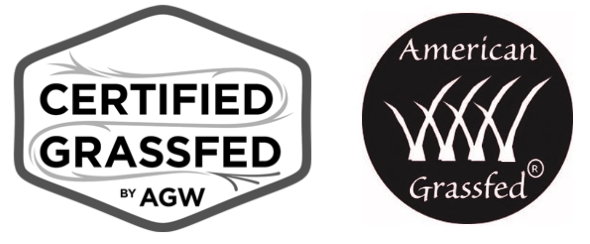
There are other grassfed programs out there, but only these two pertain to pork. Pigs are allowed to forage on grasses, roots, insects, and other natural foods (they're omnivores) that support the pig's health - resulting in leaner, more nutrient dense meat. Unlike for cows, supplemental non-GMO grain feed is allowed, usually to ensure that the pigs get adequate nutrition - especially in winter or when pasture forage is limited. While the land doesn’t have to be certified organic, many farms under these certifications manage it as if it were.
Compared to organic pork, grassfed pork typically delivers greater nutrient density because organic rules center on what feed is used (organic grains and forages) and other practices like outdoor access, but do not require that the animals’ diet be pasture based for most of their lives. Organic pigs can still be raised in systems where grain makes up a large portion of the diet. That’s why we rank grassfed pork above organic pork, but a notch below regenerative pork - which combines diverse pasture diets with additional soil health, ecosystem, and comprehensive welfare practices that further enhance overall nutrient quality.
Organic Pork
Organic pork requires certified organic feed (no synthetic pesticides, GMOs, routine antibiotics, or hormones) and strictly regulated production practices, but the organic label alone doesn’t guarantee significant pasture access or varied forage while grazing. It does generally improve the cleanliness of the diet and absence of chemical residues, which can benefit nutrient quality, but the lack of specific pasture/forage requirements tends to make it less nutrient dense than systems that emphasize outdoor access and diverse forage based diets.
Humanely Raised Pork
Humane certifications ensure pigs have a genuinely better life: more space to root and express natural behaviors, no restrictive crates or cages, environmental enrichments, compassionate handling, and a ban on routine antibiotics and growth-promoting hormones. These conditions reduce chronic stress and support better overall animal well-being.
Reduced stress and improved living conditions can have a small positive effect on meat quality - for example, slightly more favorable fat metabolism and marginal improvements in certain nutrient markers - but humane certifications do not require high quality, pasture based, or organic diets. Unless a producer chooses additional feed standards, pigs may still be fed conventional grain (often GMO) to meet energy needs. Because the diet is such a major driver of fatty acid ratios and antioxidant content in meat, the nutrient gains from humane welfare alone tend to be modest compared with systems that emphasize forage or pasture intake.
Conventional Pork
Conventional pork is typically the least nutrient-dense option because pigs are often raised in intensive indoor environments almost entirely on energy dense fortified GMO grain diets. As monogastric animals, pigs deposit the fats they eat directly into their tissues. Corn and soy heavy rations are high in omega 6 fatty acids, producing pork that is correspondingly higher in omega 6 and lower in omega 3s than pork from pigs eating more pasture plants and forage. Limited outdoor access also reduces exposure to natural plant compounds that contribute antioxidants and micronutrients.
These diets shape metabolism, too. A high grain diet promotes rapid growth and greater fat deposition. But that fat is full of more inflammatory omega 6 fats - a pattern that carries over to the people eating the meat because omega 6 fats are incorporated into human cell membranes and influence biochemical signaling pathways. Omega 6 fatty acids are not inherently bad. In fact, they are essential fats that our bodies need for proper growth and immune function. But when omega 6s are consumed in excess relative to omega 3s, they can promote too much inflammation.
Chronic low grade inflammation is linked to many modern chronic diseases - Cardiovascular Disease, Diabetes, Caner, and Autoimmune diseases to name a few. Because pigs reflect their diet so directly in their fat, feed quality has an outsized impact on the pork’s nutritional profile, and in turn, our own. Whenever possible prioritize getting a step up from conventional pork. Inn this case especially, the organic, grass fed, or regenerative bacon, ham, and sausage is definitely worth the few extra bucks!
Organ Meats
Across cultures and throughout history, people have recognized that organ meats are nutritional powerhouses - long before supplements or fortified foods existed. Traditional foodways around the world prized organs like liver, heart, kidney, and spleen, often reserving them for growing children, pregnant women, and elders because of how deeply nourishing they are. Researchers like Weston A. Price for example, documented this pattern repeatedly: Organs aren’t yucky scraps. They're treasured foods.
Not all organs (or animals) are nutritionally equal, though. Ruminant organs like beef and lamb tend to be the most nutrient-dense, since these animals convert grasses and forage into a wide spectrum of micronutrients via fermentation. Beef liver stands out as one of the most concentrated foods available, packed with preformed vitamin A, B12, copper, riboflavin, folate, and highly bioavailable iron. Poultry livers are still nutritious, but generally contain lower levels of some key nutrients compared with beef liver. Heart (especially beef) provides CoQ10 and B vitamins for energy production, kidney offers selenium and B12, and spleen has long been valued as an iron-rich food. Variety is ideal, but if someone starts with just one organ, beef liver delivers the biggest nutrient return per bite.
But before you run to Walmart and pick up a carton of chicken livers, first consider how the animal was raised and what they ate. Quality is extremely import here. Keep in mind that organs reflect the animal’s diet and environment, so organs from well fed and well cared for animals typically taste better, have a cleaner flavor, and offer a more favorable nutrient profile. Especially when purchasing liver, locating a high quality reputable source is extremely important as the liver is responsible for detoxifying the body. The land that the animal was raised on and what they were fed greatly effects the liver's toxin load. High quality well managed animals will have lower levels of environmental contaminants like heavy metals, antibiotics, and PFAS ("forever chemicals") stored in their liver.
All this said, once you get past the modern “yuck” factor, many people are surprised at how enjoyable organ meats can be. Traditional cultures didn’t prize these foods by accident. They’re one of the most effective ways to bring serious nutrient density back to the modern plate! To learn more about how to source high quality organs and how to prepare them properly, check out Offally Good Cooking for lots of helpful tips and recipes. Their chocolate chili beef liver pate is one of our favorite ways to regularly include liver in our diet. We dare you to try something wildly out of your comfort zone.
Marketing Terms
Vegetarian Fed
“Vegetarian fed” typically refers only to the formulated feed given to commercial birds - i.e., a grain based ration without animal derived ingredients like fishmeal or bone meal. However, "vegetarian fed" doesn’t mean the animal should be vegetarian for health or biological reasons.
When it comes to poultry and pigs, we actively steer clear of these claims. Birds and pigs are omnivores. They're meant to eat plants, fungi, bugs, and even small rodents and reptiles! A purely vegetarian grain based diet is not anywhere near a species appropriate diet. Ruminant animals on the other hand - cows, bison, goats, sheep, elk, deer - are better at dealing with a diet high in vegetarian grains (thanks fermentation!) but it's still not ideal for them either.
Antibiotic Usage
The following terms mean that the animal has never received antibiotics at any point in its life if the label is approved by the USDA's Food Safety & Inspection Service (FSIS) for meat & poultry or FDA for eggs:
“Raised without Antibiotics”
“No Antibiotics Ever”
“No Antibiotics Administered”
This next chunk of terms is a gray area. In some contexts, they might refer to meat where no antibiotics were added to feed or final product, not necessarily that no antibiotics were ever administered in the animals life. By law, all meat must be free of illegal antibiotic residues at slaughter:
“No Antibiotics”
“No antibiotics Added”
"Antibiotic Free"
Hormone Free
By law no hormones are allowed for pork & poultry in the US, so these terms are redundant.
Ruminants, however, may legally receive synthetic or natural hormonal implants for growth promotion (though it's very uncommon for lamb and game species). The following terms indicate that the animals were not given any synthetic hormones or hormonal implants at any point during their lifespan:
"No Added Hormones"
"Raised Without Hormones"
"No Hormones Administered"
Farm Fresh / Country Fresh
These terms are essentially a labeling mirage. While USDA and FDA require that labels not be false or misleading, and USDA limits use of terms like “farm” or “country” when they imply origin, these phrases do not correspond to enforceable production criteria. They are typically used for their appealing quaint connotations, not because they guarantee specific farming practices or product quality. Unless you know the farmer and their methods personally, we would discourage you from putting too much stock into these terms.
All Natural
The USDA definition of “natural” applies only to meat under FSIS rules, not to eggs or dairy. A product can be labeled "natural" if it 1) contains no artificial ingredients or added colors and 2) is minimally processed. The producer must include a statement explaining what they mean by “natural,” but this explanation is not independently verified and does not address antibiotic use, hormones, feed practices, or animal welfare. In short, “natural” on meat tells you almost nothing about how the animal was raised. For example, a chicken raised with antibiotics and confined indoors could still be labeled “natural” as long as the meat itself meets the ingredient and processing criteria.
For eggs, dairy, and most other foods, there is no official USDA definition of the term “natural.” Without a regulated meaning, the term "natural" is used at the farmer’s discretion. Unless you know the farmer and their methods personally, we would discourage you from putting too much stock into the term "natural".
Free Range
While the idea behind this term is appealing, there’s no single legal definition or universal certification that applies to all uses of the term. Instead, what “free range” means depends on the specific guidelines of a certification program.
For poultry products, the USDA requires that meat birds have outdoor access to use the term “free range,” but it does not define how much space, how long they must be outdoors, or the quality of that outdoor area. In contrast, there are no standardized USDA guidelines for beef, pork, or egg labels. On those products, the term “free range” can be used without defined requirements for space per animal, time spent outdoors, or quality of pasture and forage.
As a result, consumers may be more influenced by their perception of this phrase than by the actual conditions on the farm. Expectations often don’t match reality unless you can see the farm practices firsthand.
Pasture Raised
While the idea behind this term is appealing, there’s no single legal definition or standard certification that applies to all uses of term. Instead, this concept is defined within specific certification programs.
As of 2025, USDA’s Food Safety and Inspection Service (FSIS) has updated its industry guidance to clarify how “pasture raised” claims should be supported. As it pertains to eggs, poultry, pork and beef: Animals must spend the majority of their lives on pasture (land with rooted vegetation), and producers are strongly encouraged to provide documentation substantiating this practice. However, like other animal raising claims, the term "pasture raised " is still a voluntary marketing claim and there are no rigid regulatory definitions codified in law.
As a result, consumers may be influenced more by their perception of this phrase than by the actual conditions on the farm. Expectations often don’t match reality unless you can see the farm practices firsthand.
Humanely Raised
When the term “humanely raised” appears on a package without a third-party certification, it isn’t a standardized animal-welfare guarantee - it’s a company defined claim. For meat products (beef, pork, poultry), the USDA does require producers to submit documentation to support animal-raising claims, but there is no single legal definition of what “humanely raised” must include. Each company can set its own criteria as long as it can describe its practices. For eggs, which fall under FDA oversight rather than USDA meat inspection, anima welfare terminology is even less consistently defined. This is why third party certifications are important. They establish clear, written standards and include outside verification rather than relying solely on a company’s internal definition.
It’s also a common misconception that humane certifications always mean animals lived outdoors. In reality, many mainstream humane certification programs do not require outdoor access for all species. Under the basic standards of some well known certifiers, egg laying hens, meat birds, and pigs may be raised indoors unless the label also includes an additional claim such as "free range" or "pasture raised". Ruminants like cattle are more likely to have outdoor or pasture access requirements under welfare programs, but even this varies depending on the specific certification. Humane certification often focuses on space allowances, handling, enrichment, and stress reduction - not necessarily pasture living.
Another point of confusion involves slaughter laws. The Humane Methods of Slaughter Act (HMSA) requires that many livestock animals, including cattle and pigs, be handled and slaughtered humanely at federally inspected facilities, regardless of how they were raised. However, meat birds (chickens, turkeys, and other birds) are not covered under this law, and transport conditions are regulated separately and less comprehensively. This means that humane treatment during slaughter is not applied equally across all species. To ensure humanely slaughtered poultry, it's bests to get to know your local farmer.
The terms below imply humane livestock practices, invoking a desirable "vibe" or "code of ethics", but they are completely subjective. What we consider to be ethical, thoughtful, or responsible may be very different from what you believe to be ethical, thoughtful, or responsible:
"Ethically Raised"
"Thoughtfully Raised"
"Responsibly Raised"
In animal agriculture labeling, welfare claims exist on a spectrum - from purely marketing language, to company defined standards, to USDA reviewed claims, to rigorous third party certifications. Understanding where a label falls on that spectrum helps you make choices based on verified practices rather than just appealing wording.
Grass Fed / Grass Finished
Without third party certification, these claims rely largely on a company’s own definitions and verification. For a deeper comparison of these terms, see the "beef" section earlier in this post. Grass fed or grass finished standards most commonly apply to ruminant livestock such as goats, sheep (lamb), bison, and elk, but some grass fed certification programs also have standards for pigs -Though grass fed standards for pigs typically involves outdoor access and forage consumption alongside supplemental feed rather than a forage only diet. While most venison in the U.S. comes from wild harvested deer rather than farmed deer, you may still see grass fed certifications on farm raised venison labels.
Regenerative
The term “Regenerative” isn’t legally defined, which means that without a third party certification, it’s largely up to the producer to decide what it means. That’s why many farmers choose to pursue recognized third party certifications - to show that their practices truly support healthy land, nutritious feed, and humane treatment of animals.
Regenerative certifications focus on the bigger picture: Improving soil health, protecting water quality, and supporting animal welfare. Third party certified regenerative farms are regularly audited to make sure they’re meeting standards for environmental health, biodiversity, and animal care. Specific farming practices vary by certification program, but most regenerative programs implement these strategies:
Cover crops to reduce erosion & retain nutrients
Composting & application of compost to enrich soil
Crop rotation & polycultures to balance nutrient depletion
No-till farming to reduce soil disturbance
Establishing hedgerows & buffer strips to support beneficial animal & insect habitat
Planting along watercourses (streams, rivers, etc) to prevent erosion & filter out pollutants
Emphasis on reducing greenhouse emissions through less reliance on synthetic inputs, better manure management, and/or using more energy-efficient practices or installing renewables
Hormone & antibiotic use on animals is restricted or completely banned, focusing instead on preventive health care through good livestock & land management rather than chemical inputs
Animals must have access to pasture, with rotations or mob grazing to benefit soil health & promote animal welfare
Breeds that are naturally adapted to the local weather conditions & outdoor living are prioritized over those that require intensive care or material inputs
All regenerative certifications are inherently humanely raised. By pairing regenerative and organic certifications you've now certified all 3 life slices (see graphic at the top). Here are two real world examples of this pairing on packaging:


Comments